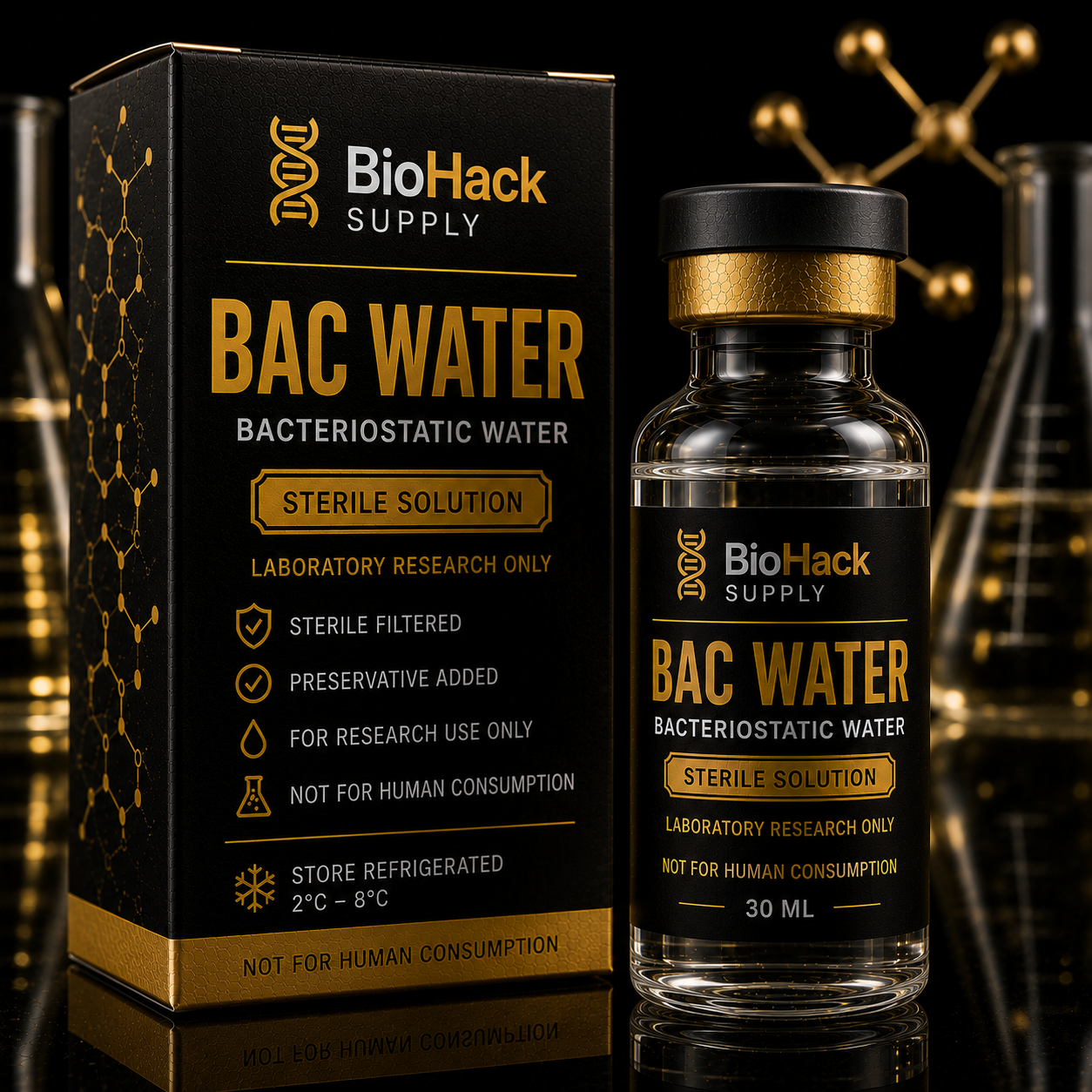
Most research applications utilize the following framework: Initial Research Phase: Total blend concentration: 12mg per vial Reconstitution volume: 2-3mL bacteriostatic water Research dosage range: 100-300mcg per administration Frequency: 1-2 times daily during active research periods Advanced Research Protocols: tesa component : 50-100mcg per dose CJC1295 component : 100-200mcg per dose Ipamorelin component : 100-300mcg per dose Combined cjc1295 ipamorelin dosage : 200-500mcg total The tesa cjc1295 ipamorelin 12mg blend reconstitution process requires precise measurement and sterile technique to maintain research integrity
How to Switch The transition is straightforward: Stopping Saxenda: No taper required Can stop after last daily dose No withdrawal effects Starting semaglutide: Begin at starting dose (0.25mg weekly) Follow standard titration schedule Some providers start at higher doses for patients switching from other GLP-1s, but standard titration is safest Timing: Can start semaglutide the week after stopping Saxenda No mandatory washout period Some providers start immediately after last Saxenda dose What to Expect During transition: Appetite suppression may temporarily decrease during early semaglutide titration GI side effects may recur as you adjust to new medication Full semaglutide effect takes 4-5 months to reach After transition: Most patients see additional weight loss beyond what Saxenda achieved Weekly dosing is typically more convenient Similar ongoing management Transition Considerations Timing expectations: Dont expect immediate additional weight loss Titration period is necessary even for patients experienced with GLP-1s Full benefit of switch becomes apparent at maintenance doses Managing expectations: Some initial adjustment period is normal The convenience benefit is immediate Weight loss benefit develops over months Practical Considerations for Each Medication Understanding day-to-day use helps set expectations
Injectable or oral peptides could lead to mild gut issues as well, like gas, bloating or diarrhoea
The chemical equation for deprotecting groups is as follows: C10H18O5-R1-NH2 R1-NH2 If it is necessary to modify certain properties of the target peptide GHK-cu Powder , such as solubility, biological activity, etc., the peptide chain can be modified
These findings underscore the multifunctionality of antioxidant-capped quantum dots, with BER.QDS demonstrating enhanced catalytic and antibacterial efficacy