115, pp

What May Hurt Your Glutathione Levels The factors that could reduce your glutathione levels may include: Not getting enough protein (especially cysteine-rich protein) Having insufficient amounts of B12, B6, folate, and serine - which are important for cysteine metabolism Inadequate intake of Vitamin C, E, and selenium Inadequate intake of other B vitamins like riboflavin High oxidative stress load from things like poor diet, smoking, excessive alcohol intake, or environmental pollutant exposures High insulin and poor glucose control High levels of exercise What May Help Your Glutathione Levels The factors that could support healthy glutathione levels may include: Getting enough protein Ensuring adequate intake of vitamins and minerals, especially C, E, B vitamins, and selenium, without overdoing it Quitting smoking Reducing alcohol Managing environmental xenobiotic exposures Eating to support your workouts and activity level, including an antioxidant-rich diet Getting plenty of omega 3 fats Some studies report that cruciferous vegetables may have a positive effect on GSH levels

This product is a food supplement intended to supplement the diet
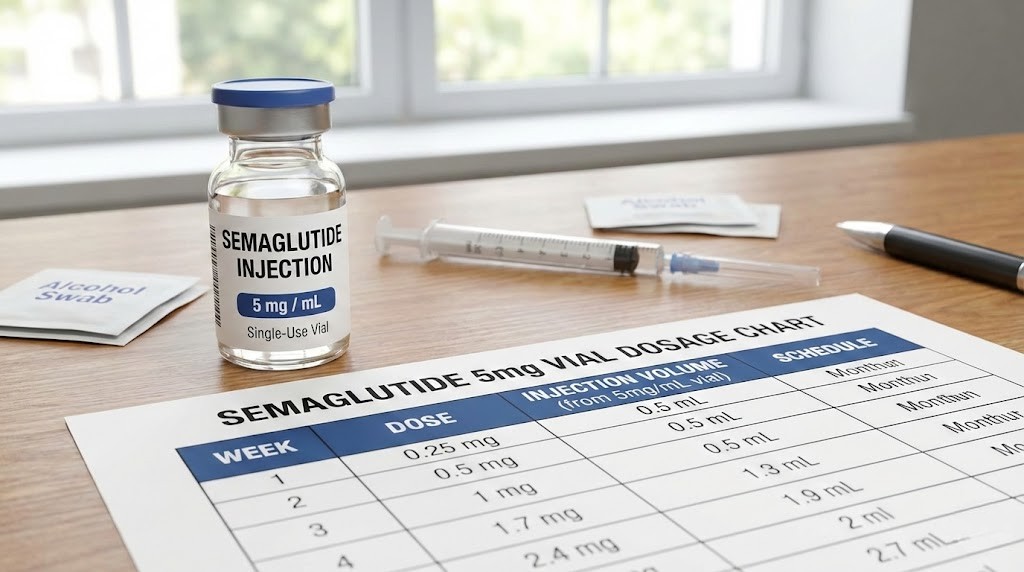
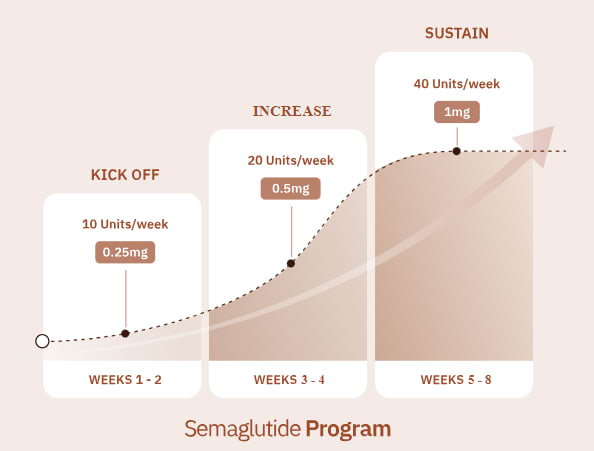
Most people find that injecting on a consistent day each week, often in the morning before meals, produces the best results and easiest routine compliance
Glycine Propionyl L Carnitine: Improves nitric oxide levels, enhances endurance, and increases oxygen flow to muscles during exercise