Neurological diseases Alzheimers disease Accumulating evidence indicates that impaired cerebral insulin signaling and neuroinflammation are key contributors to AD pathogenesis, positioning GLP-1RAs as promising neuroprotective agents [266268]
Whether the goal is fat loss, appetite control, or metabolic efficiency, these therapies provide steady support for healthier long-term results
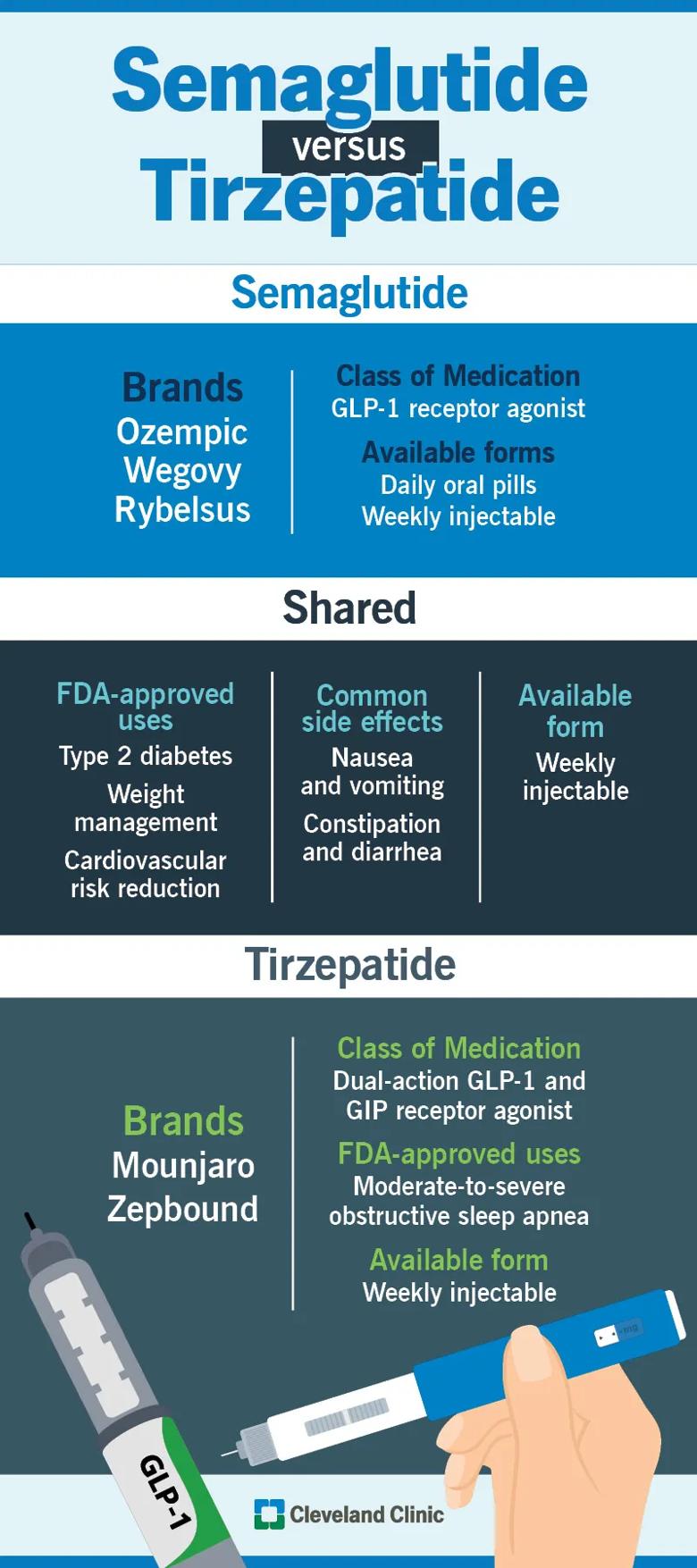
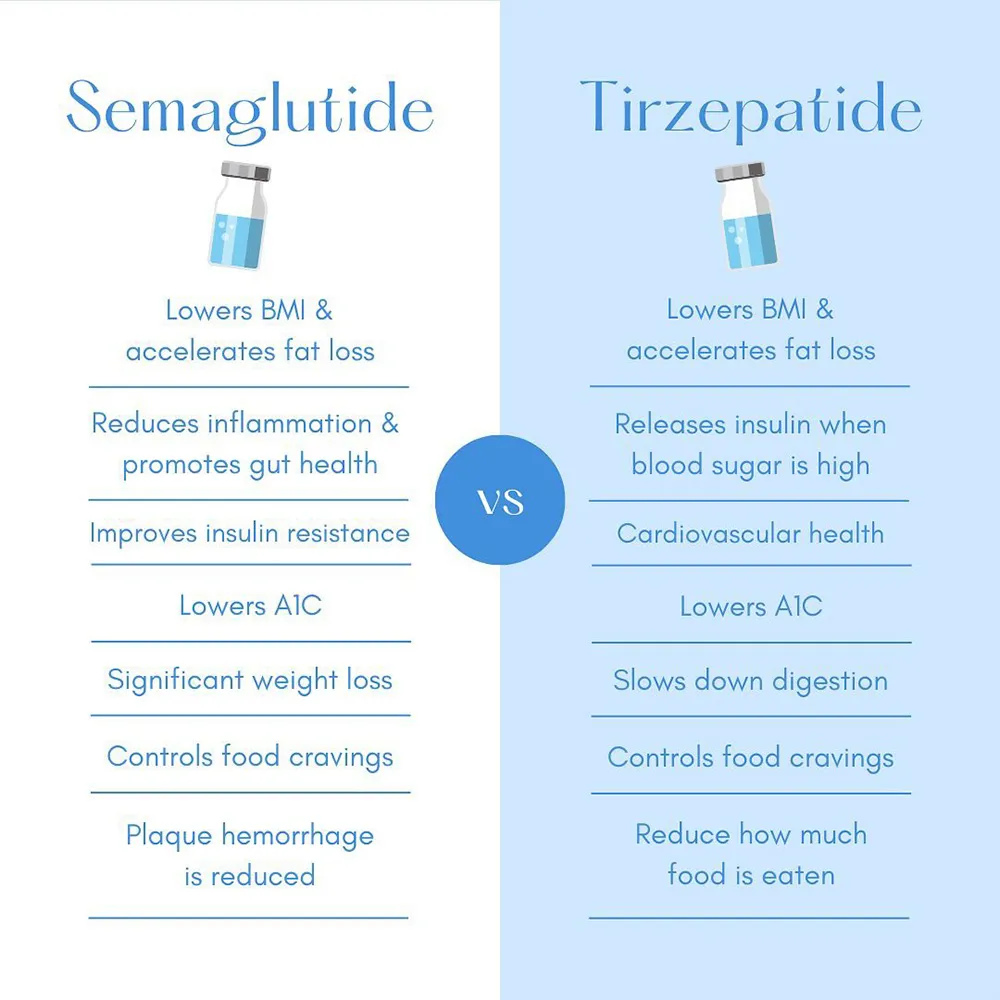
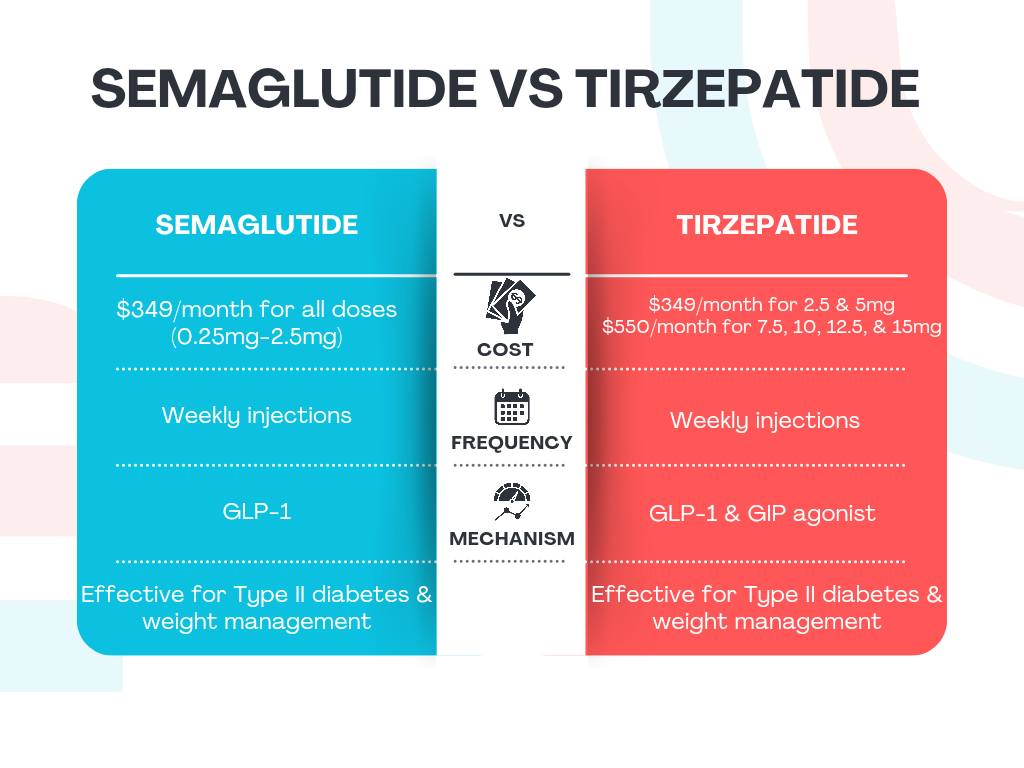
Research published in the Journal of Clinical Endocrinology and Metabolism describes the clinical consequences of delayed gastric emptying with both GLP-1 receptor agonists and tirzepatide, noting that the dual GIP/GLP-1 receptor agonist tirzepatide transiently delays gastric emptying similarly to selective long-acting GLP-1 receptor agonists
Excess fat accumulation, particularly visceral fat around organs, promotes chronic inflammation, insulin resistance, and dyslipidemia (abnormal blood lipid levels)
This pharmacokinetic difference explains why IGF-1 LR3 is preferred in experimental research to study direct effects of IGF-1R signaling without confounding biases linked to complex IGFBP biology