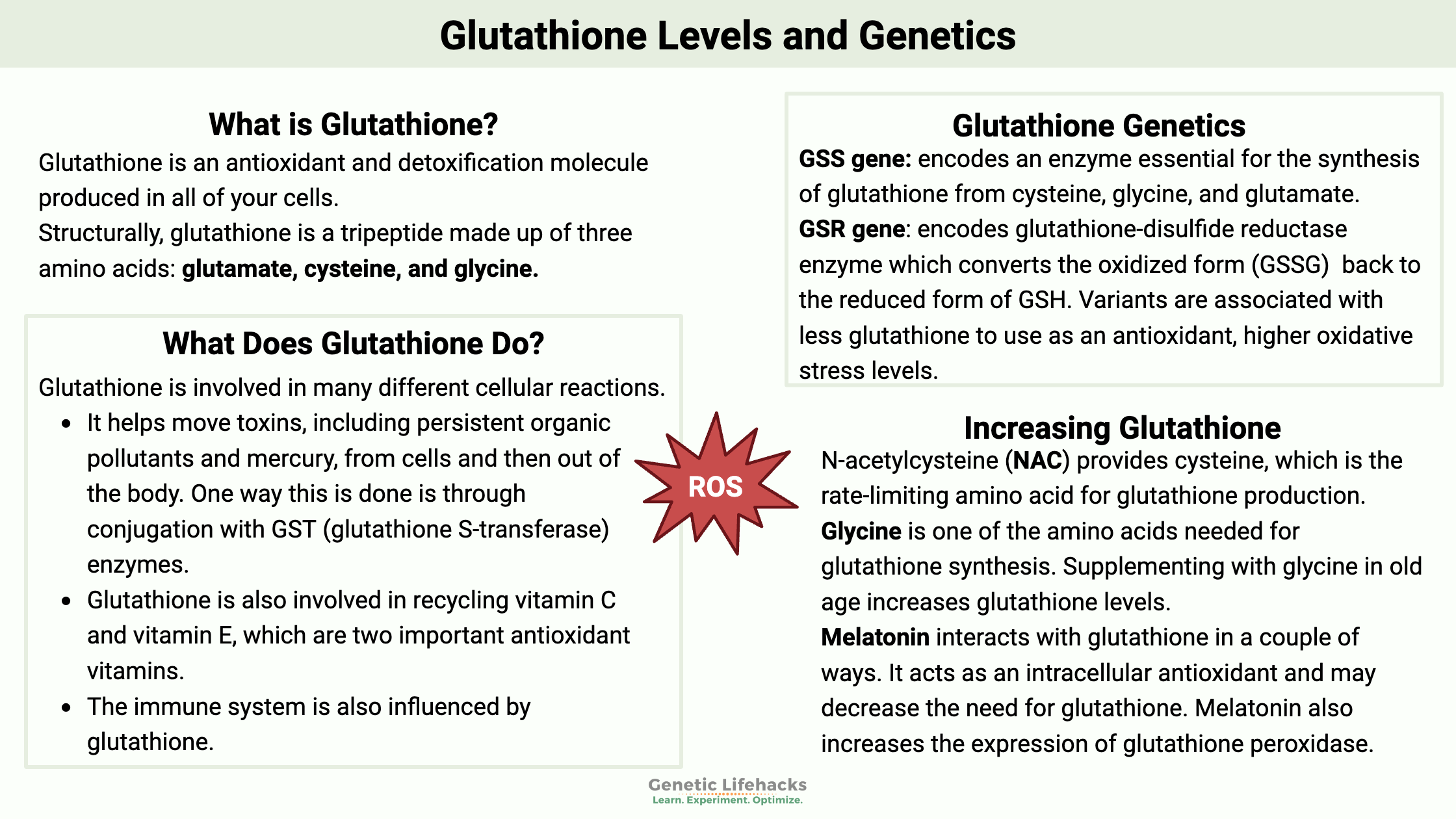
Possible clinical applications for elevated glutathione levels Neurology Parkinsons disease Alzheimers disease Seizures Multiple sclerosis Eye diseases Cataracts Macular degeneration Glaucoma Cardiovascular Prevent heart disease Prevent stroke Prevent atherosclerosis Prevent reperfusion injury Digestive system Inflammatory bowel disease Hepatitis Malnutrition Pancreatitis Peptic Ulcer Toxicology Certain drug overdoses Tobacco smoke, auto exhaust Pollutants including heavy metals, pesticides Prevents hearing loss from noise pollution Detoxifies many well-known carcinomas Infectious disease and immunology Anti-viral (AIDS, hepatitis, herpes, common cold, etc.) Bacterial Infection Certain autoimmune dysfunction Chronic fatigue syndrome Immunosuppression Cancer Cancer prevention Suppress tumor growth Eliminate Carcinogens, mutagens Retard oxidative damage to DNA Prevent wasting disease Ease side effects of chemo- and radiotherapy Pulmonary Break up mucus (esp

Dihexa Also known as: N-hexanoic-Tyr-Ile-(6) aminohexanoic amide Summary Dihexa is a small synthetic peptide that potentiates hepatocyte growth factor at the c-Met receptor, promoting formation of new synapses
The only way to know for sure is to have your doctor perform a blood test to check your serum calcium
BPC-157 has an extremely short plasma half-life - approximately 4 minutes after intravenous administration in rats - although downstream effects persist for hours to days
Form Lyophilized vial (short-term) Temperature 35.6 to 46.4 F (2 to 8 C) Note Acceptable for short transit and short holds



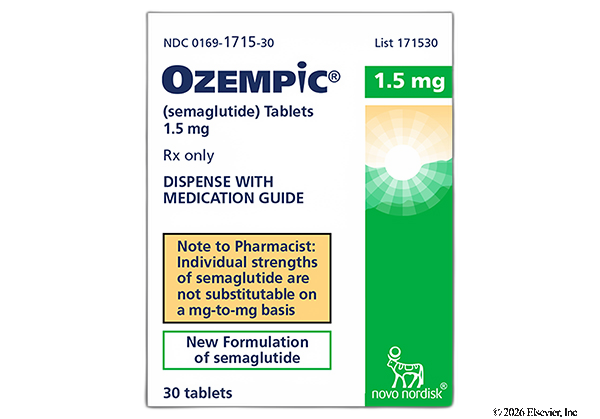

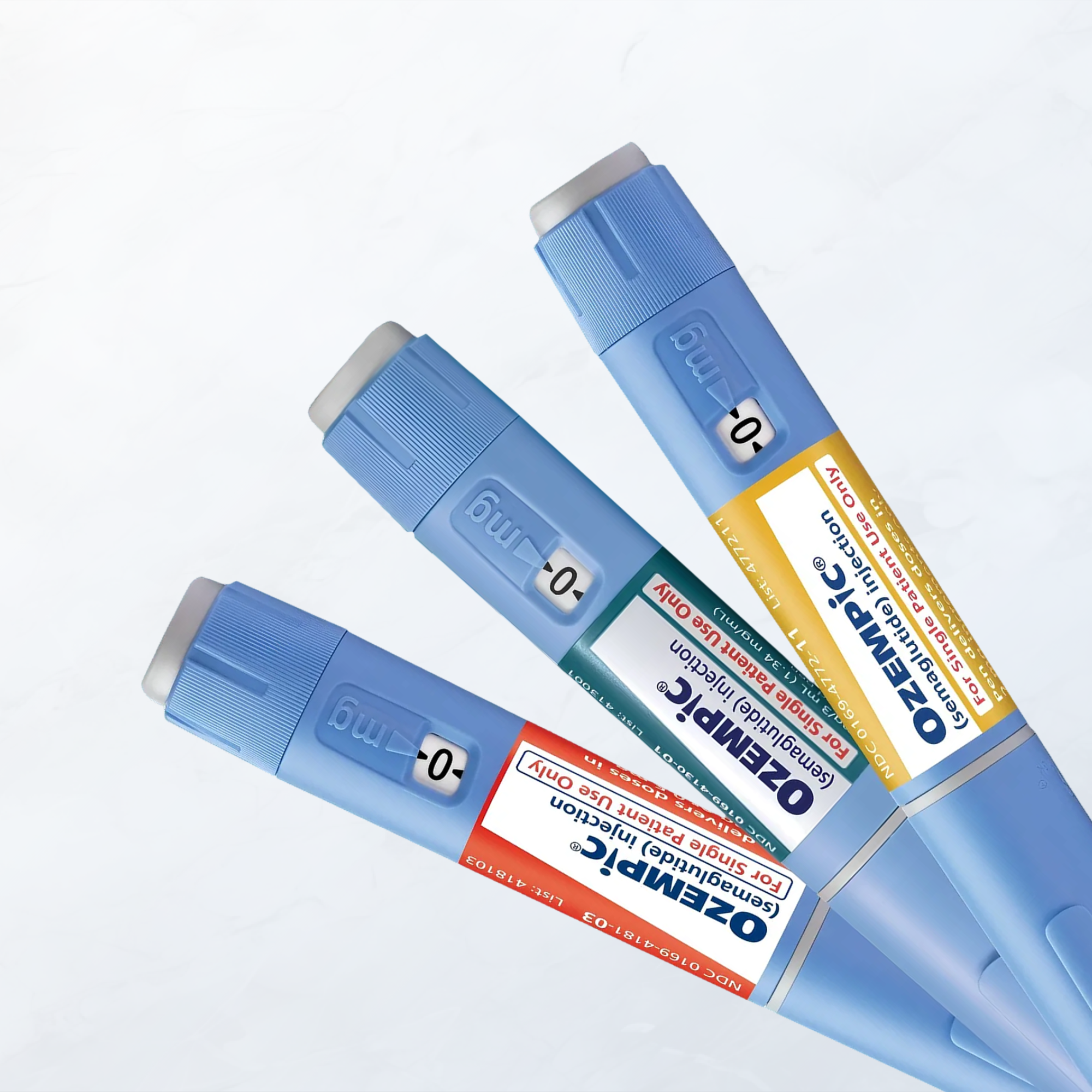



![F/41/5'2” [160>120=40] Finally hit the 40 pounds down mark. Took me 6 months. Intermittent fasting, light lifting, and semaglutide. Years of yo-yo dieting. Hopefully this will be the last time I have](https://preview.redd.it/f-41-52-160-120-40-finally-hit-the-40-pounds-down-mark-took-v0-0kq4vzitvepd1.jpeg?width=640&crop=smart&auto=webp&s=8ccf549ac1744d168d23129780d7c532a402da0c)