S-Acetylation as a Solution: Shielding the Thiol Group S-acetylation fundamentally solves the sulfur odor problem of glutathione
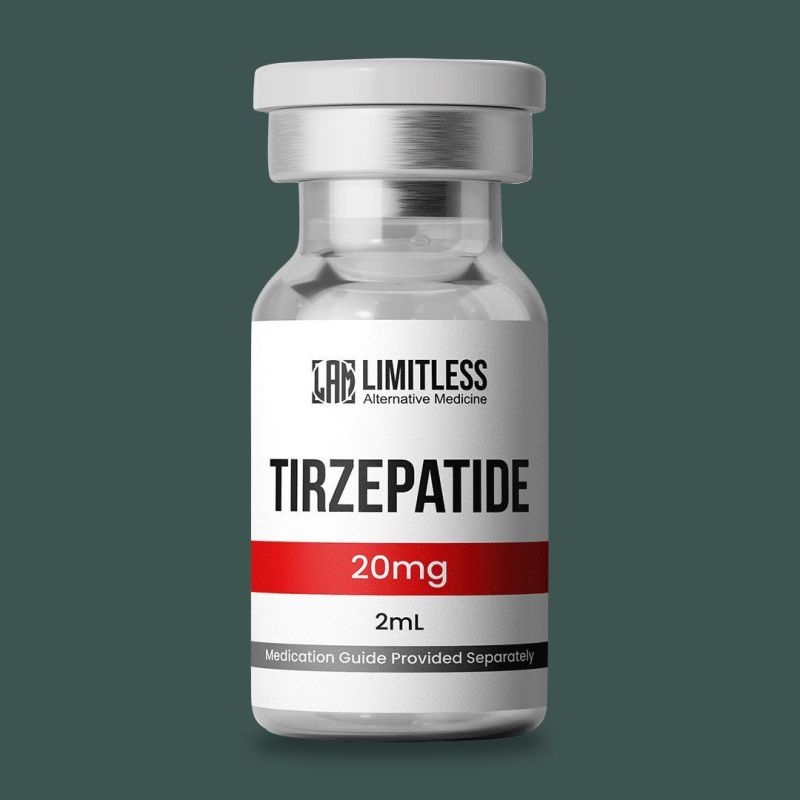
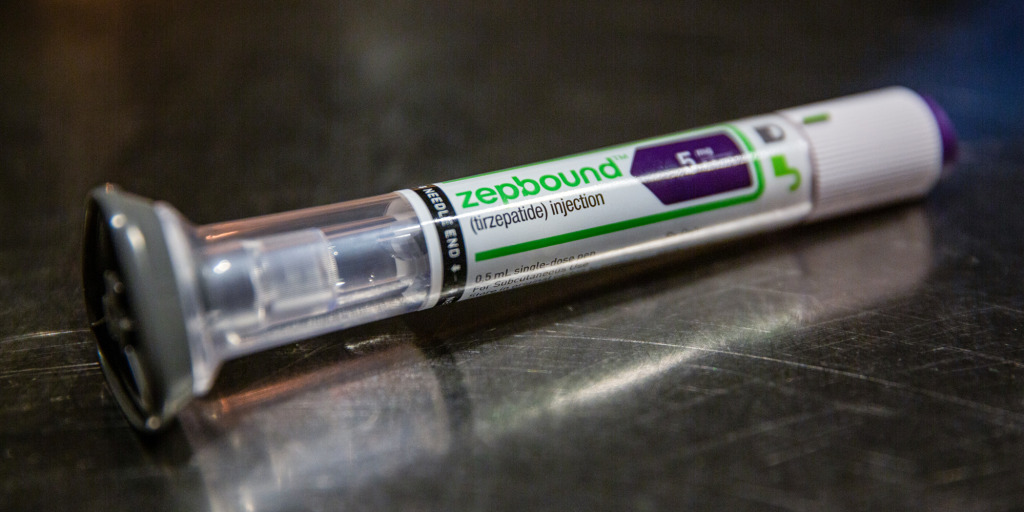
They often arrive in multi-dose glass vials rather than autoinjector pens, requiring the patient to draw the medication into a syringe manually
Implications for body composition optimization The body composition data has practical implications for protocol design
Common hormonal MTHFR symptoms include: Severe PMS mood swings, breast tenderness, bloating, and irritability before periods Irregular or heavy periods unpredictable cycles or excessive menstrual bleeding Infertility and difficulty conceiving reduced egg or sperm quality or implantation issues Recurrent miscarriages often linked to elevated homocysteine and poor methylation Chronic fatigue and low energy feeling exhausted even after adequate sleep Thyroid dysfunction sluggish metabolism, weight gain, or cold sensitivity Fibrocystic breasts and ovarian cysts Endometriosis and uterine fibroids Why this happens: Poor methylation leads to oestrogen dominance (too much oestrogen relative to progesterone) because your body cant efficiently break down and eliminate used hormones

The PlexusDx Precision Peptide Genetic Test identifies your individual variants in key pathways: GLP1R rs6923761 affects how effectively your body responds to the medication, GIPR rs1800437 influences glucose regulation and satiety, FTO rs9939609 relates to baseline appetite set-points, and MC4R rs17782313 impacts metabolic signaling