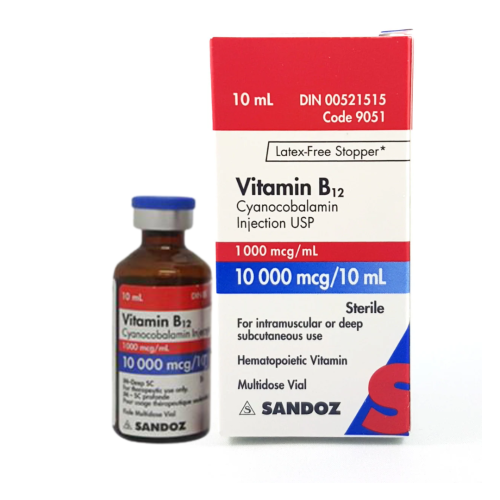
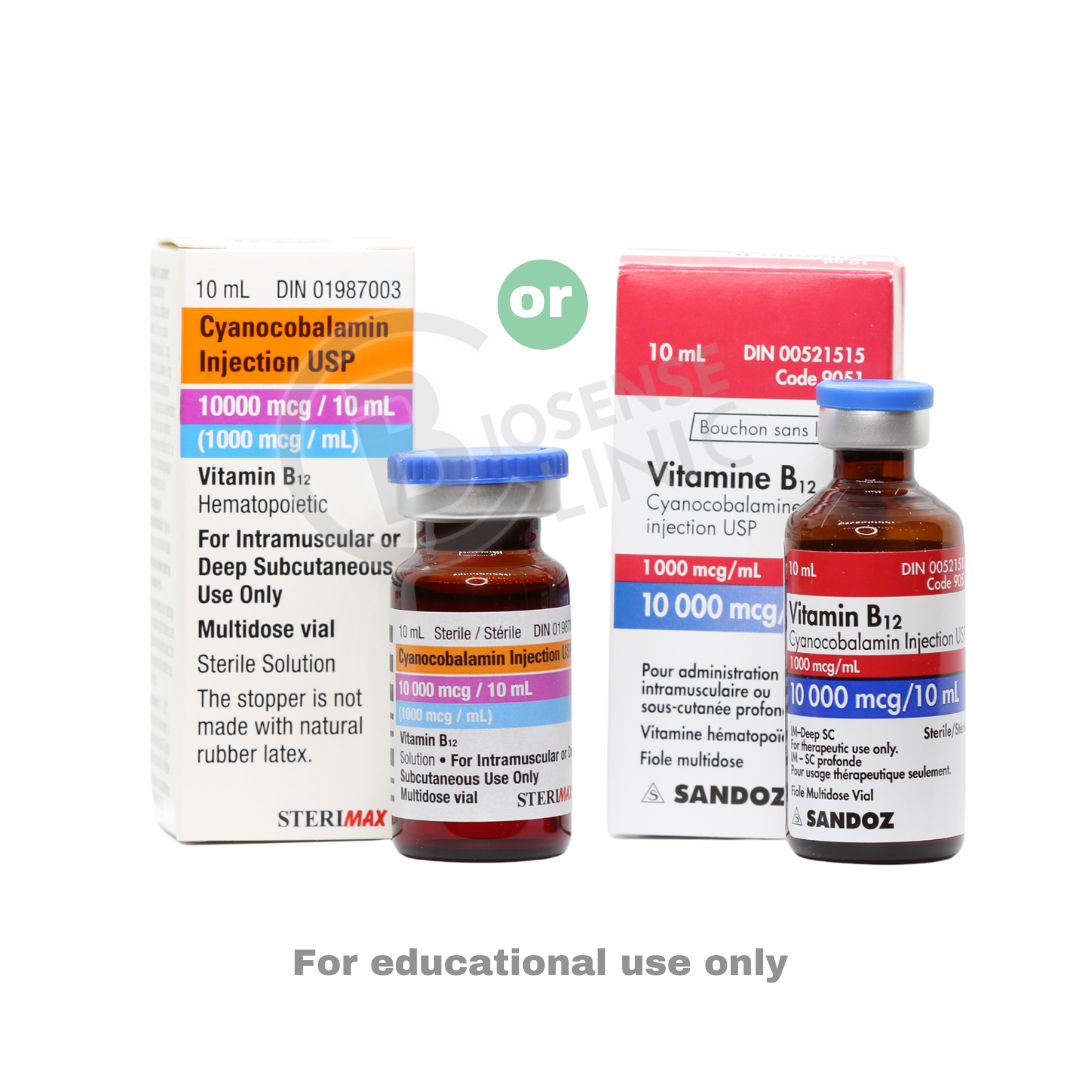
Vitamin B12 is a water-soluble vitamin essential for red blood cell formation, neurological function, and DNA synthesis Requirements vary by age: infants need 0.30.4 mcg daily, children 0.51.2 mcg, and lactating women 2.0 mcg Pernicious anaemia typically requires intramuscular injections of 1,000 mcg hydroxocobalamin, initially three times weekly then every 23 months Deficiency causes macrocytic anaemia and neurological symptoms including paraesthesia, balance problems, and cognitive changes that may become irreversible B12 is found almost exclusively in animal products
That being said, the conversion of severe anemia to normal production of red blood cells can temporarily lead to low potassium levels and a high platelet count
Core identifiers Formula: However, C18H14N2O2 Average molecular weight: about 290.32 g/mol CAS: 303760-60-3 InChIKey: RNZIMBFHRXYRLL-XDHOZWIPSA-N Structural caution Formula and mass alone cannot distinguish geometric isomers
In milder or borderline cases, high-dose oral vitamin B12 may be sufficient, depending on absorption and clinical context
Improves Energy Production: B vitamins help convert food into energy, reducing fatigue and improving overall stamina