[DOI] [PubMed] [Google Scholar] 199.Yoon J.W., Notkins A.L
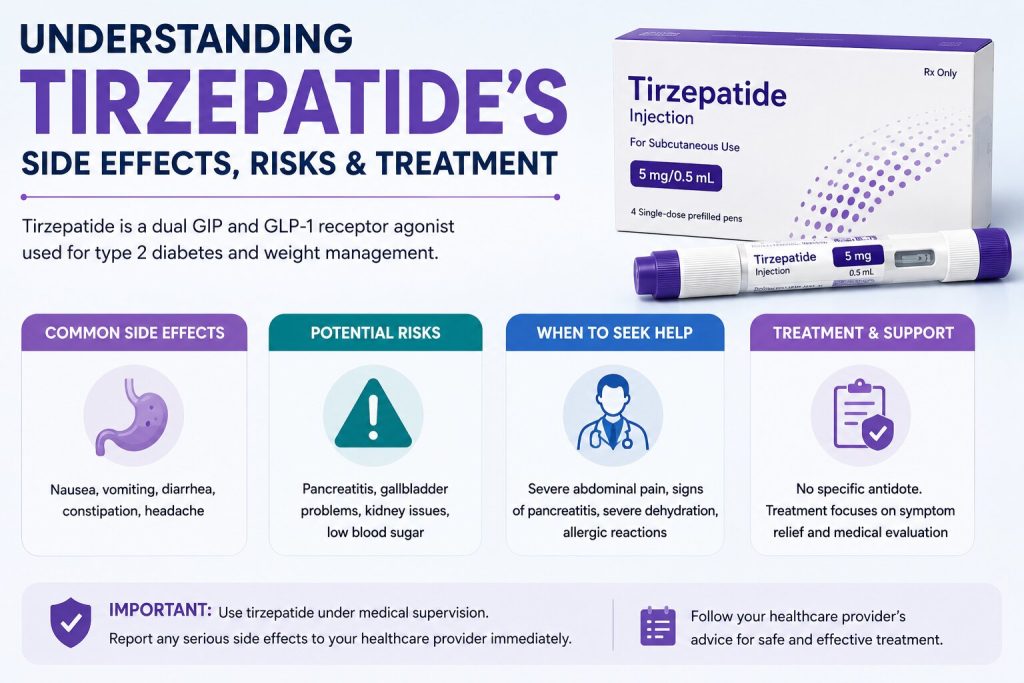
GLP-1 medications have multiple different mechanisms in the body that help with diabetes and weight loss, including: Increasing the amount of insulin made by the pancreas , which helps control blood sugar in patients with diabetes Decreasing the amount of excess sugar made by the pancreas , which helps control blood sugar in patients with diabetes Slowing down digestion from the stomach , which results in feeling full for longer after eating Signaling to your brain that you are full after eating , which helps suppress appetite and control cravings Tirzepatide contains an extra mechanism of action that other GLP-1 medications do not, known as GIP (glucose-dependent insulinotropic polypeptide) agonism
Gastrointestinal Histology Intestinal tissue damage was analyzed using a histologic scoring scale adapted from Chui and co-workers [62] on a scale from 0 to 5 (normal to severe) in 3 categories (mucosal injury, inflammation, hyperemia/hemorrhage) for a total score of 0 to 15 as described by Lane and co-workers [63]
Significant Weight Loss: Achieve Up to 25% Reduction in Body Weight Research indicates that perimenopausal individuals utilizing specific treatments can achieve notable reductions in mass, with decreases of up to 25% over time
Since GLP-1 agonists help stimulate insulin secretion, remember we talked about lizard saliva being the source of the first marketed GLP-1 Byetta














:max_bytes(150000):strip_icc()/VWH-GettyImages-2126120259-c2442d334436484baa255439265b7fb1.jpg)